Topics
The TH1000RPmk2 / TH1100RPmk2, evolved into the second generation, captures the heart of music and achieves exquisite balance.
オーディオ評論家:岩井 喬
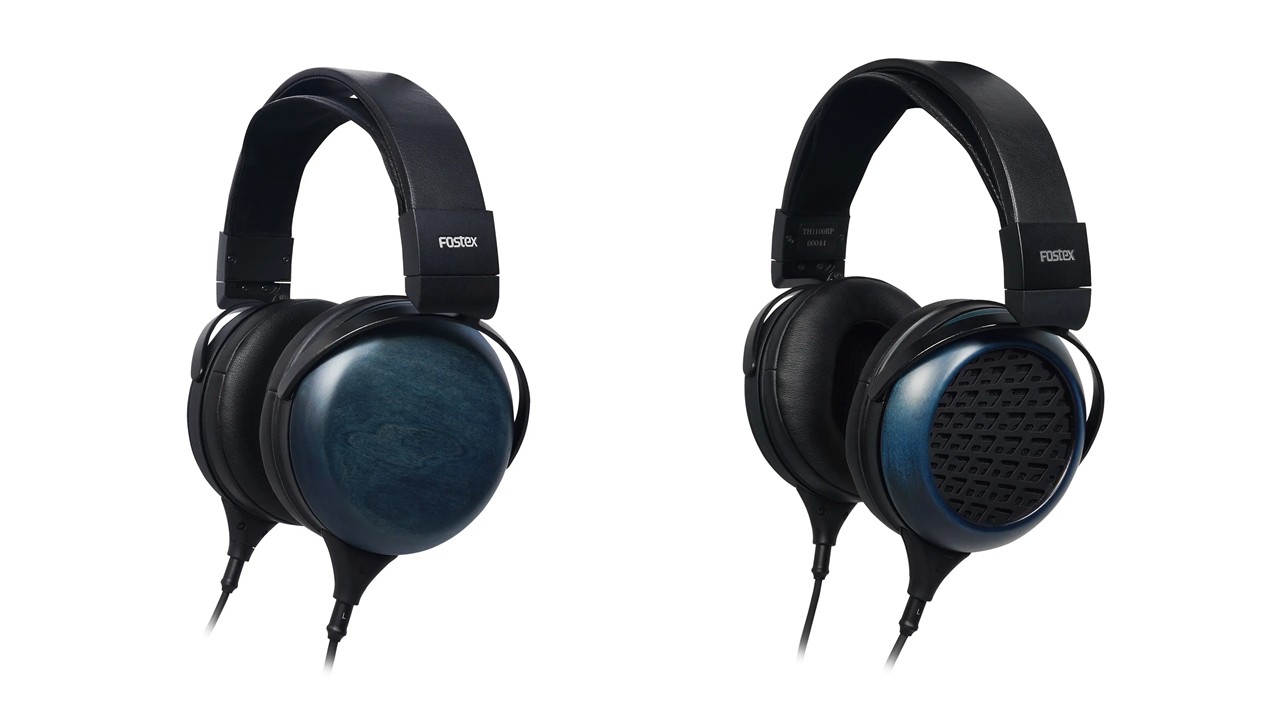
The Fostex flagship headphones TH1000RPmk2 / TH1100RPmk2 feature the latest and highest-grade Premium RP Driver mk2, the latest iteration of the RP Technology full-range planar diaphragm driver born in 1974. Addressing the low-frequency performance limitations of the previous generation TH1000RP / TH1100RP, these headphones represent the pinnacle of Fostex’s history, meticulously crafted to perfection. TH1100RP, achieving enhanced low-frequency expression. These headphones represent the pinnacle of Fostex’s history, crafted with meticulous attention to detail.
Compared to conventional dynamic drivers, Fostex’s proprietary RP (Regular Phase) driver drives the entire diaphragm uniformly and with consistent phase. This achieves precise rise and fall times across all frequency bands, delivering accurate sound reproduction without coloration. This makes it ideal for professional recording environments as a monitor headphone, a reputation it has maintained for over 40 years.While planar magnetic drivers have increasingly appeared in consumer headphones in recent years, Fostex’s technical expertise, honed through decades of continuous development since the 1970s, remains unshakable.

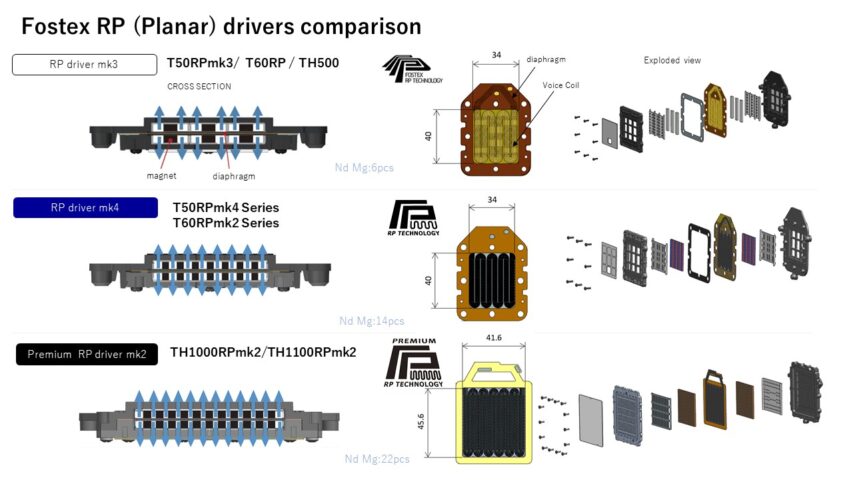
The Premium RP Driver mk2 employs a larger planar diaphragm than the one used in the T50RP mk4, and the printed coil pattern has been redesigned. Additionally, the magnetic circuit components, including a larger magnet, have been completely overhauled. By optimizing magnetic flux distribution, unwanted diaphragm resonance is suppressed, achieving sharp response with rapid attack and decay.The “mk2” upgrade further optimizes the diaphragm’s movement itself. This is achieved through the addition of an acoustic filter and damping material to control air damping within the driver, along with airflow adjustment via newly designed ear pads. These improvements enable ideal diaphragm excursion in the low-frequency range.
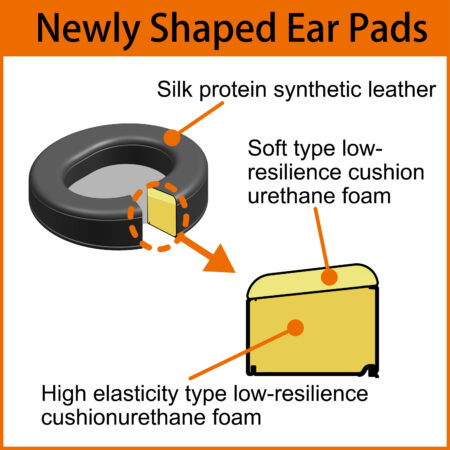
This newly designed earpad features a dual-layer cushioning structure: a high-resilience memory foam on the driver side and a soft memory foam on the side that contacts the ear. The surface material continues to use a highly durable silk protein synthetic leather, providing comfortable, stress-free wear even during extended listening sessions.
In addition to the driver and ear pads, another major change in the “mk2” upgrade was switching the plug shape at the cable detachment point from a 2-pin specification to a 2-pole 3.5mm mini plug. The 3.5mm mini plug is widely adopted in other manufacturers’ models and offers a greater selection of re-cable products, pursuing broader compatibility. The included cable incorporates 7N-grade high-purity OFC conductors, reflecting a design that also prioritizes sound quality.


The housing utilizes solid hard maple wood, also employed in guitar construction. Its finish incorporates dyeing with Awa indigo, blending a subdued, elegant hue with the beauty of hard maple’s grain. This unique high-end model shines with a distinctly Japanese aesthetic sensibility.
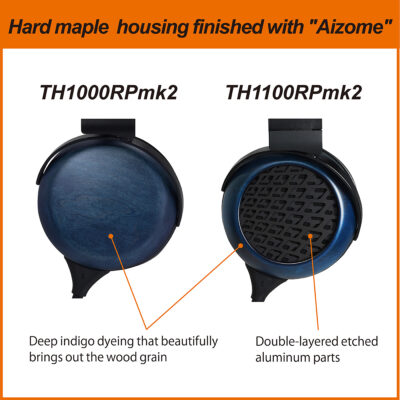
The closed-back TH1000RPmk2 is a product where you can truly feel the presence of its hard maple housing finished in Awa indigo. What's noteworthy here isn't just the RP driver, but how this closed-back style—often considered a challenge for planar drivers—achieves accurate sound reproduction despite the thin diaphragm, overcoming the housing's internal resonance and back pressure.In this regard, the TH1000RPmk2, aided by the acoustic filter, delivers a well-balanced sound. It offers a more natural sense of sound projection compared to its predecessor, combined with the density and damping characteristic of a closed-back design. It masterfully resolves the challenges typically associated with closed-back designs utilizing planar magnetic drivers.

The TH1000RPmk2 also benefits from the low-frequency enhancement—the greatest advantage of the “mk2” upgrade—which contributes to a more balanced overall sound. The soundstage’s center of gravity has shifted lower. Not only does this enhance the bass’s thickness and sustain, but it also strengthens the low-frequency direction in parts characterized by high frequencies, such as piano and brass instruments, achieving a wider-ranging resonance.Vocals achieve a natural body while maintaining a balanced prominence of the mouth’s firmness and moisture. The significant difference in sound character compared to the open-back TH1100Mk2 likely manifests in this contour expression. The TH1000RPmk2’s strengths appear to be the sharp, defined contours unique to closed-back designs, the crisp, clear projection of the core sound image, and the smooth texture expression.
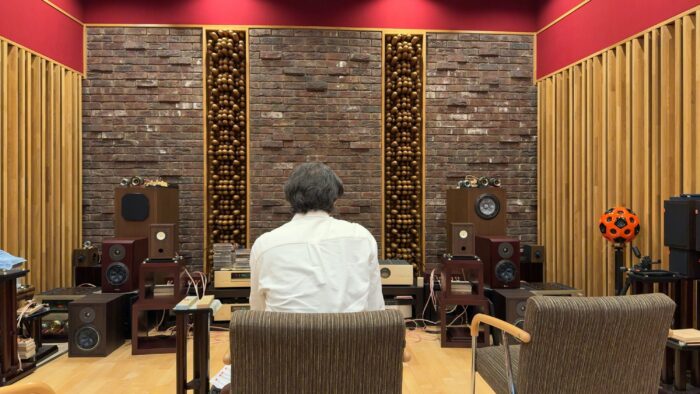
The open-back TH1100RPmk2 features two layers of aluminum etched parts at the housing opening, slightly offset to adjust the aperture ratio. Furthermore, meticulous fine-tuning of the acoustic filter and internal components delivers sound tuning unique to the TH1100RPmk2, distinct from the TH1000RPmk2.The open-back design, which maximizes the potential of the premium RP driver mk2 by enabling uniform amplitude movement on both sides of the diaphragm without obstructing airflow, also complements the planar magnetic diaphragm system well. Like its predecessor, it retains the core characteristic of a refreshingly clear sound with an open, airy feel. The “mk2” optimization of the acoustic filter also enhances the richness of the low frequencies. This results in a more balanced, stable, and luxurious sound experience.
The overall sonic richness and harmonic depth are expressed with greater spaciousness than the closed-back TH1000RPmk2, while also achieving the RP driver’s signature meticulous detail and high resolution. Its smooth, composed sound signature delivers vivid vocals with excellent separation, carefully tracing even the softest mouth movements.Orchestral harmonies possess substantial weight, and percussion resonances feel authentic, yet effective damping in the low end maintains high soundstage transparency. The texture of orchestral instruments features a natural core thickness, and the wet reverberation is truly refined.
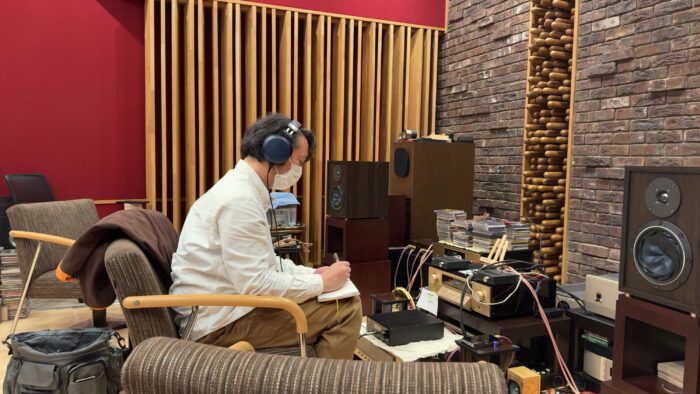
The jazz horn section has a low center of gravity and excellent extension, blending with the refreshing clarity of the piano and cymbals to create a pleasant sound. The rhythm section’s density and tightness are excellent, delivering the richness and airy attack of kick drums and bass from rock recordings while also offering quick decay response.Electric guitar picking is finely detailed, with the sticky texture of power chords standing out in striking contrast. Exceptional is the lustrous quality of female vocals, the supple movement of a wet mouth. The voice itself possesses depth, and the vividness with which the substantial sound image suddenly floats up is particularly noteworthy.
The TH1000RPmk2 / TH1100RPmk2, equipped with a second-generation RP driver that further evolves the premium specification representing the culmination of RP driver technology, stands as a flagship model boasting the technical expertise and refined sound quality expected of a veteran in this field. It holds its own in today’s crowded market of planar magnetic headphones, where new brands abound.We invite you to experience a sound that skillfully balances elegance and precision—distinct from both previous RP driver models and the myriad dynamic driver or planar magnetic models from other manufacturers.
■ Listening Samples
〇 Andrea Battistoni conducting / Tokyo Philharmonic Orchestra: Mahler: Symphony No. 5 ~ “First Movement”
〇 ‘Pure2-Ultimate Cool Japan Jazz-‘ ~ “Unreachable Love”
〇 Suara “For You” 11.2MHz Recording
〇 Chō “The Calling”
〇 TOTO ‘TAMBU’ ~ “Gift Of Faith”
Profile

Takashi Iwai
Born in Nagano Prefecture in 1977. He began avidly reading audio magazines in junior high school and started building his own vacuum tube amplifiers in high school. He also discovered the appeal of music, leading him to attend a specialized school for sound engineering. After graduating, he joined a recording studio in Tokyo. Following a stint at a game company, he gained opportunities to write for audio magazines.He writes audio reviews for publications such as MJ・Radio and Experiment, Stereo, PROSOUND, Audio Accessory, and analog, drawing on his experience in the environments where music is created.